
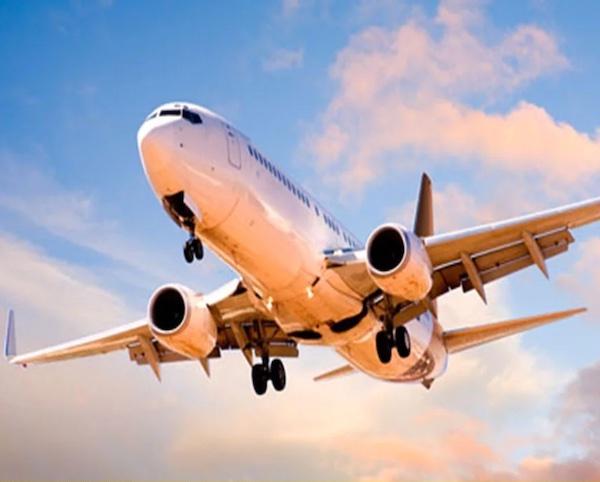
I am here waiting to board a flight that is already more than 1 hour late. The Curitiba airport is closed due to lack of visibility. Funny how the only area with no visibility in the city is exactly the airport area.
Murphy must have had a hand in choosing the location of this airport.
The waiting area is a mess, with people crowded together, looking around, with nothing to do except watch each other. I keep imagining what kinds of comments are going through the head of each person here. It almost feels like I can hear the society ladies criticizing the shoes and outfit of the hippie bourgeoise who just walked in. And the senior executives disapproving of the pink tie with brown suit on the guy with the goatee.
But the important thing is that they are trying to find something to keep themselves occupied. Some, like me, pull out their tech gadgets and strike a pose as if they are working. Others have no way to disguise it and just watch and analyze people, like, for example, the lady sitting next to me who is desperately trying to read what I am typing on the Notebook. Relax, ma'am, I will send you the Blog link later.
But some allowance must be made, because everything involving the act of flying is not easy. The controversy starts with the debate over who invented aviation, and to this day part of the world still disagrees with the other part. The fact is that we were not made to fly, and achieving this feat always causes unusual reactions. That may be why we see these strange things at airports.
It starts with everyone being forced to arrive well in advance, with the exception (of course) of the plane, which almost always runs late. But that is just a detail, because arriving early is the least we can do so we can go through the embarrassment at the X-ray machine (with that coin or key that insists on hiding at the bottom of a pocket) or watch the boarding gate shuffle in São Paulo, where, always due to aircraft repositioning, the gate never matches the one printed on the ticket.
So it is no surprise that people carry all this anxiety from the boarding lounge onward, and even on days without the kind of congestion we have today, people are not entirely comfortable. Proof of that is the behavior we will see in the scenes from the next chapters, which requires no fortune teller to predict, because they always happen:
When the loudspeakers announce a flight, I see so many people rushing to board that I get the impression the announcement was about a fire in the building, such is the frenzy of some to get to the line. Do they not know that seats are assigned? But it makes no difference, everyone runs.
At airports where passengers are transported to the planes by bus (as in São Paulo), the rush to the line makes even less sense, because the last ones to board the bus will be the first to get off and consequently the first to board the aircraft. Does that compute? For airports with jetbridges, access to the aircraft is calmer, but there is always that line at the plane door. Once again I ask myself: why run like that? I should probably conclude that they must all be airplane enthusiasts and are eager to experience the sensation of flying.
Inside the aircraft, the real pushing and shoving begins as everyone tries to get settled. After a few disputes and arguments proving that some people genuinely cannot tell letters from numbers on seat assignments, the cabin crew begins the safety briefing. What is routine for many can be shocking to others as new information, since for someone who has never taken off before, learning that oxygen masks will drop from the ceiling in case of depressurization can only add to the anxiety. Truth be told, some mischievous companions (like me) may have convinced a first-time flyer that these demonstrations and instructions only happen on VERY high-risk flights, which certainly makes that passenger even more frightened. But pranks on rookies are normal, and those recommendations about not opening the window so as not to blow wind on the rows behind, or instructions for the newcomer to get a receipt for in-flight purchases for future reimbursement, are not as common anymore. People already know what to expect from a flight, and the number of aviation users grows every day.
During the flight, everything calms down and the flight attendants begin serving drinks and snacks.
Some take advantage of the captive audience, which, it should be noted, has no way to leave, and start showing off their skills, whether as a presenter of their ideas, speaking loudly, or as a charmer of the flight attendants. The latter forget they are dealing with professionals who put up with people like that all the time. I remember that guy who, upon being addressed as "Sir," delivers the classic line to the flight attendant: "SIR is up in heaven, my dear." And she replies with complete composure: "And where exactly are we right now, Sir?"
But if these people enjoy flying so much and love the show on board, I cannot understand why, upon reaching their destination, they do not even wait for the plane to properly stop before frantically unbuckling their seatbelts and jumping to their feet, necks bent and heads pressing against the overhead bin above. And of course, they stay tensed up like that for several minutes.
When the aircraft door is finally opened, there is another rush and scramble. Everyone now frantic to get out as fast as possible.
The worst part is that most of them will end up standing outside, waiting long minutes for their luggage anyway.
So, did I not say that flying is not easy? But the hardest part is understanding why everyone acts this way.